Hire Brand Designer in 2026: Portfolios, Packages, and the Difference Between Pretty and Profitable
What separates a real brand designer from a logo maker
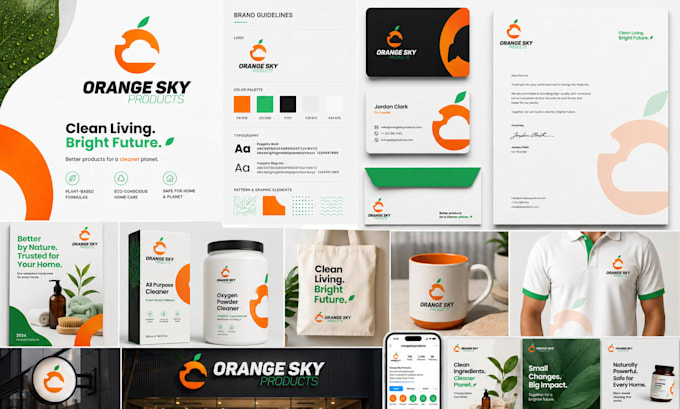
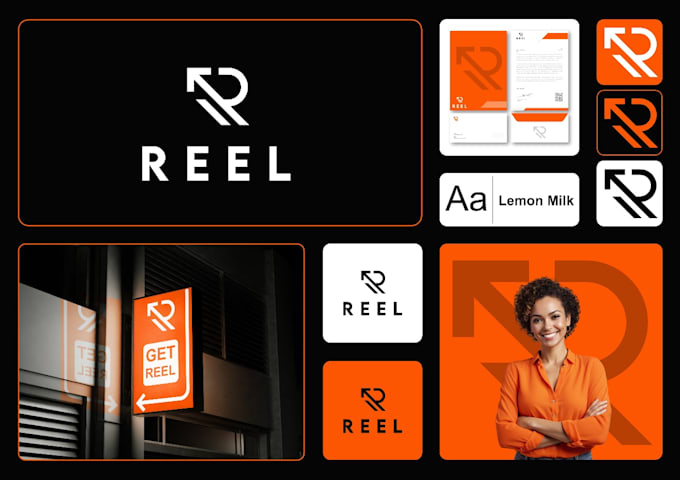
A strong hire brand designer decision starts with proof, not promises. In 2026, amateur work still looks obvious: thin typography systems, random color choices, mismatched icon styles, and files that break the second they hit print, ads, or a pitch deck. Enterprise-grade custom brand identity design is different. It behaves like a system—logo suite, spacing rules, color hierarchy, type scales, social templates, and export-ready files that hold up across web, packaging, motion, and local search assets.
When reviewing a brand identity designer portfolio, look for consistency across touchpoints. One nice logo is not evidence. You want to see before-and-after clarity, application on real surfaces, and a clear rationale for each design choice. If the portfolio only shows mockups, ask for source files, usage examples, and how the identity performs at small sizes, in monochrome, and across dark/light backgrounds.
Exact specs to insist on before you pay
Do not buy vague “branding.” Buy deliverables. For a serious package, insist on:
- Logo system: primary, secondary, icon mark, monochrome, and reversed versions.
- Source files: SVG, AI, EPS, PDF, plus web-ready PNGs.
- Typography rules: font names, weights, fallback stack, and line-height guidance.
- Color specs: HEX, RGB, CMYK, and Pantone if print is involved.
- Usage guide: spacing, minimum size, safe zone, and incorrect-use examples.
- Asset kit: social avatars, cover graphics, favicon, and simple brand templates.
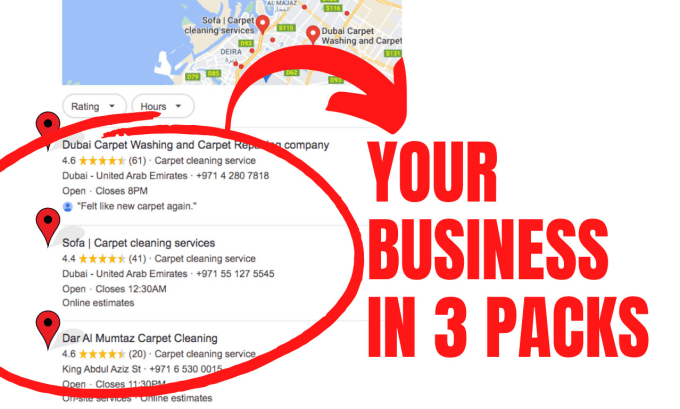
For local businesses searching for a brand designer near me, this matters even more. A local authority brand must work on Google Business Profile images, map pack thumbnails, storefront signage, and review graphics. That means legibility at tiny sizes and strong contrast, not just a stylish mood board.
Packages: what good looks like in 2026
Professional branding packages should map to business stage. Entry-level packages usually cover a tight visual identity and basic usage rules. Mid-tier packages add social and launch assets. Premium packages should include a full brand kit, ad-ready variants, and a mini style system for future content. If a package is priced too low to include revisions, source files, and application examples, the final result is usually disposable.
The three services featured on this page show the real market spread. Agency quotes can run from $1,200 to $4,500+, while skilled freelancers may start at $15 to $85. That gap is not just price—it is overhead. Agencies often bundle account management and layers of process. A sharp freelancer can move faster, stay tighter on scope, and deliver production-ready files without the bloat.
Cost versus ROI: where the money actually goes
A $30 to $135 specialist can make sense when you need a clean launch, a sharper pitch, or a local refresh. The ROI comes from speed, clarity, and fewer reworks. A weak identity costs more than the design fee: it lowers conversion, weakens trust, and forces repeated fixes across ads, packaging, and website assets. A proper identity system can pay for itself by reducing redesign churn and making every customer touchpoint look credible from day one.
Use the portfolio to judge taste. Use the package to judge process. Use the files to judge seriousness. If the designer cannot explain file formats, brand usage, and revision scope in plain language, keep moving. If you have 20 hours to spare and want to master the nuances yourself, follow the blueprint above step-by-step. But if you need an error-free launch this week without burning your weekend, below are verified freelance specialists priced between $25 and $135 who can deliver production-ready deliverables within 24–48 hours.